Should we invest in AI or advanced analytics? This is one of the most common questions we hear from organizations today..
While both terms are often used interchangeably, they are not the same.
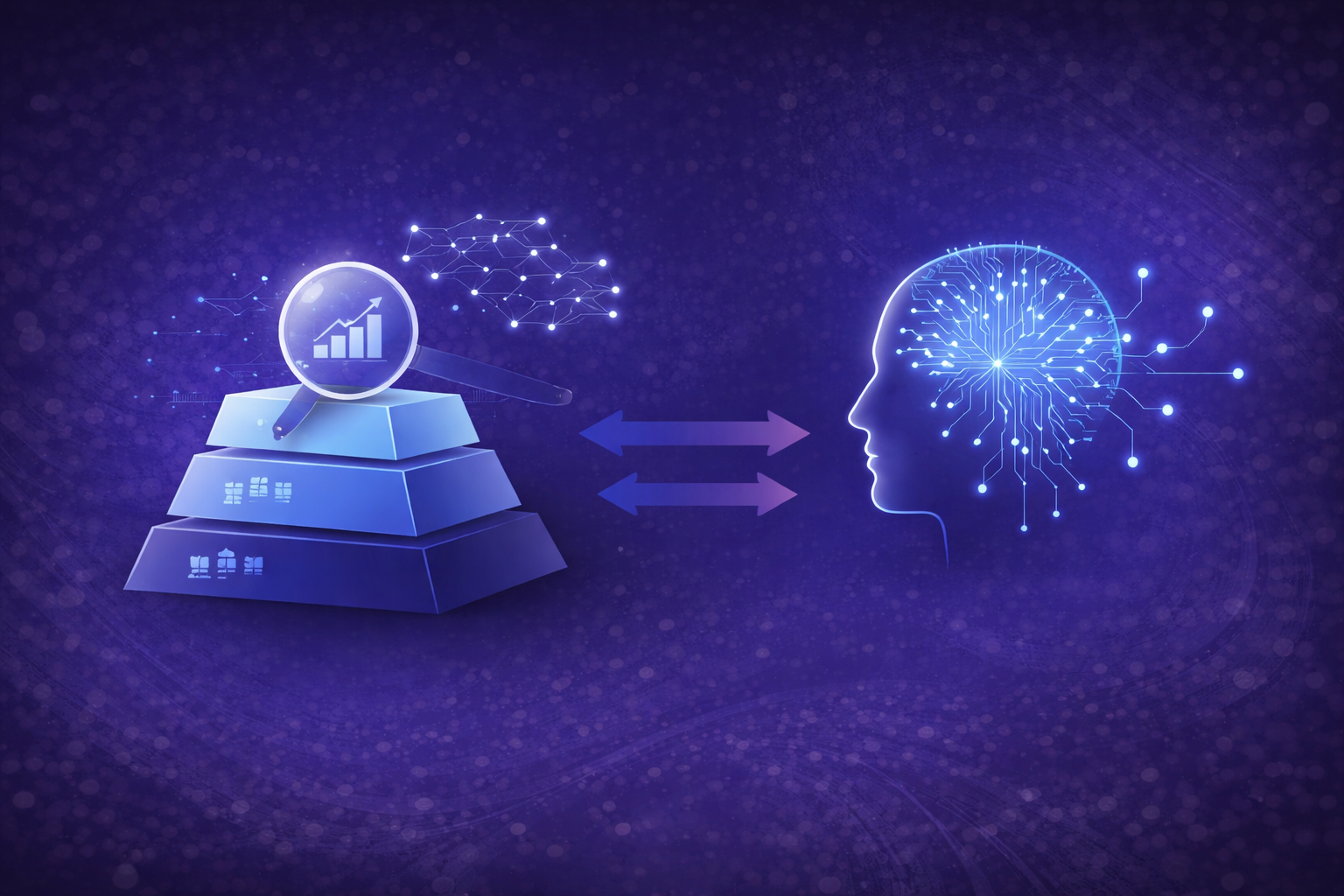
Advanced analytics and AI serve different roles—but together, they unlock the full value of data.
At Datilis, we help organizations understand where each fits—and how to combine them into a scalable, production-ready approach.
What Is Advanced Analytics?
Advanced analytics focuses on understanding and improving business decisions using data.
It typically includes:
- diagnostic analytics (why did something happen?)
- predictive analytics (what is likely to happen?)
- prescriptive analytics (what should we do?)
The goal is: to generate insights that support decision-making
What Is AI?
Artificial Intelligence goes a step further.
It focuses on:
- automation
- learning from data
- making decisions or recommendations without human intervention
Examples include:
- recommendation engines
- predictive models
- natural language processing
- generative AI
The goal is: to automate and scale decisions
Key Differences
| Advanced Analytics | AI |
|---|---|
| Focus on insights | Focus on automation |
| Supports decision-making | Executes or enhances decisions |
| Often human-driven | Often machine-driven |
| Structured, explainable | Can be complex and opaque |
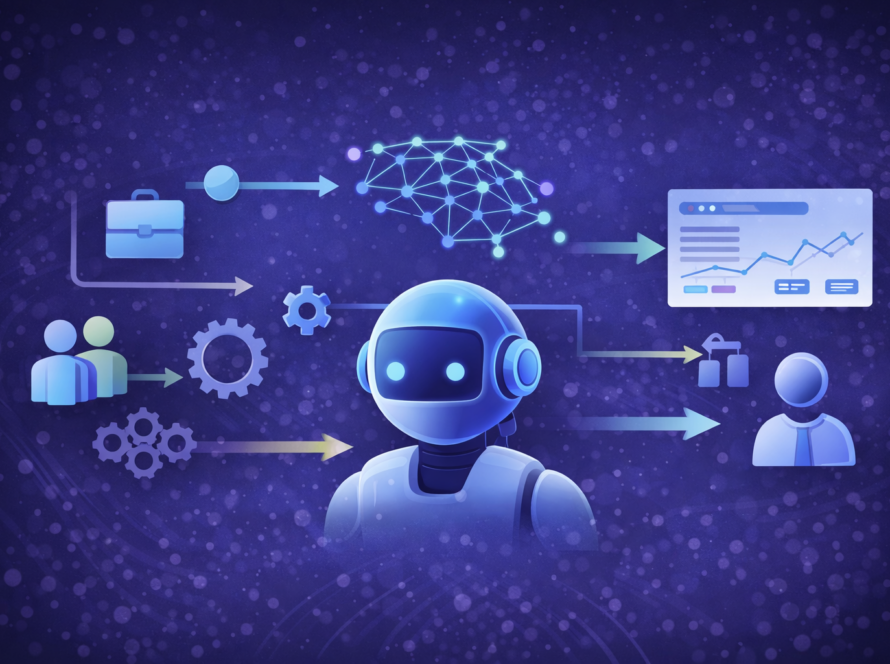
How They Work Together
The real value comes from combining both.
Step 1: Advanced Analytics
- Identify patterns
- Define KPIs
- Understand business drivers
Step 2: AI
- Automate decisions
- Scale predictions
- Embed intelligence into workflows
In simple terms:
Analytics tells you what to do → AI helps you do it automatically
A Practical Example
Customer Retention
Advanced Analytics:
- identifies churn patterns
- segments customers
- highlights risk factors
AI:
- predicts churn probability
- recommends actions
- automates retention campaigns
Why Organizations Get It Wrong
Common mistakes include:
- jumping directly to AI without analytics foundation
- building models without business context
- lacking clean and structured data
- ignoring governance and scalability
Result: expensive AI projects with limited impact
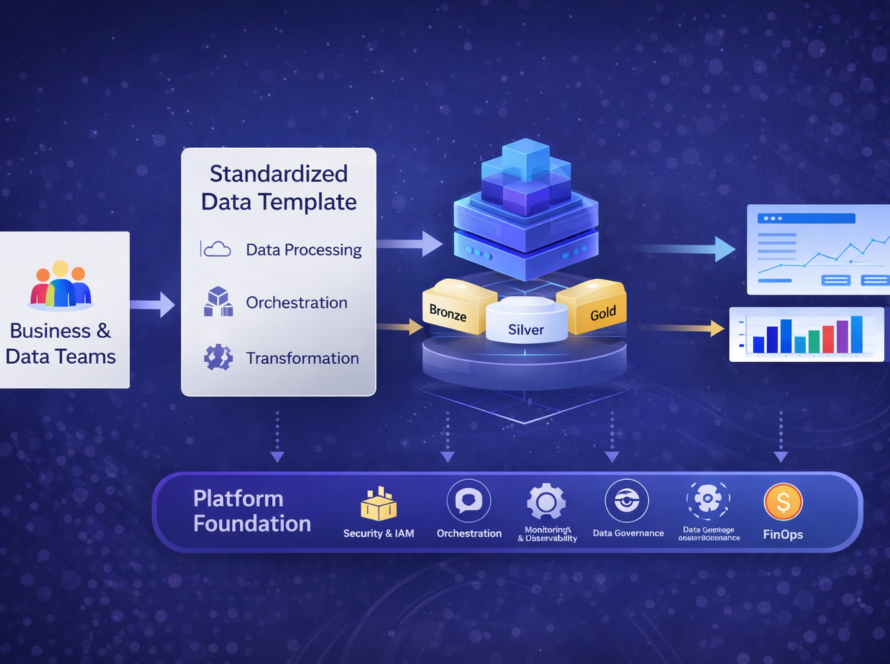
The Role of the Data Platform
Both advanced analytics and AI depend on:
- clean and structured data
- scalable pipelines
- consistent business definitions
- governance and monitoring
Without this foundation, neither analytics nor AI can scale.
When to Use What
Use Advanced Analytics when:
- you need to understand business performance
- you want to improve decision-making
- you are building a data-driven culture
Use AI when:
- decisions need to be automated
- you need to scale insights
- real-time or high-volume decisions are required
The Datilis Approach
At Datilis, we don’t treat analytics and AI as separate initiatives.
We design platforms that:
- enable advanced analytics
- support AI use cases
- integrate both into business processes
This ensures:
- faster time-to-value
- scalable solutions
- long-term sustainability
Conclusion
Advanced analytics and AI are not competitors—they are complementary capabilities.
Organizations that understand the difference can:
- avoid unnecessary complexity
- focus on the right use cases
- scale their data strategy effectively
Call to Action
Not sure whether you need analytics, AI, or both?
Let’s define the right approach together.